



Trail Running Shoes vs. Hiking Shoes
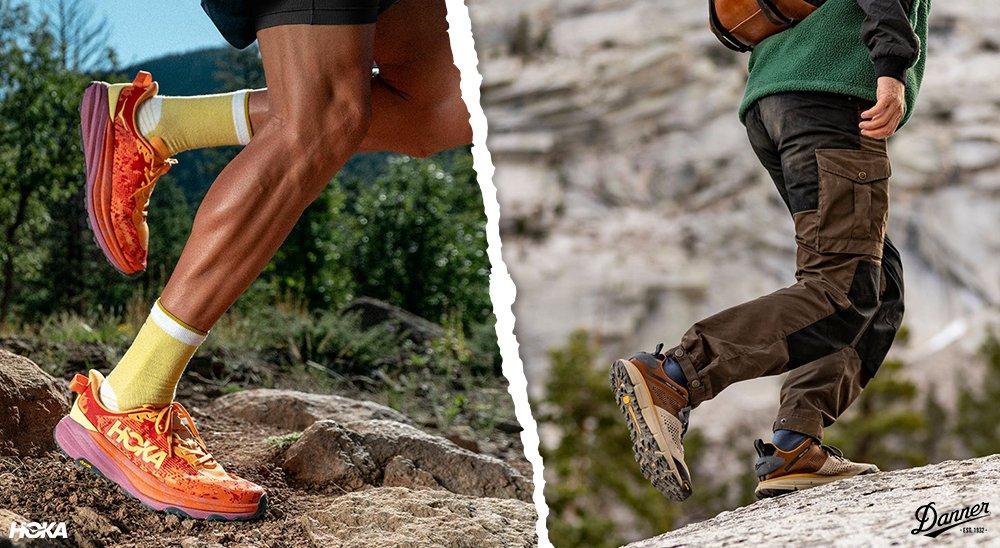
With a wide range of terrain to explore on the trails, hikers have a variety of footwear options to choose from—boots, shoes, and even running shoes. This variety can lead to questions about the key differences, features, and intended uses. Our Footwear Experts explain the distinctions between trail running shoes and hiking shoes so you can determine which style is best for your trail adventures.
At a Glance: Trail Runners vs. Hiking Shoes
Neither trail running shoes nor hiking shoes are better than the other, they each serve different purposes when taking on the trails. You need to determine which features you prioritize, how you explore the trail, and the conditions you’ll encounter.
Consider Trail Runners If:
-
You trail run and hike
-
You prioritize speed and breathability
-
You hike in hot, dry conditions
Consider Hiking Shoes If:
-
You need more stability
-
You want more toe and foot protection
-
Durability is important
-
You hike in mild to cold, wet conditions
-
You hike more aggressive trails and need greater traction
Deep Dive: About Trail Running Shoes
Trail running shoes, also known as trail runners, are built for those who enjoy running on trails and uneven terrain. They are designed to offer greater protection and traction on more technical terrain compared to road running shoes.
Our Footwear Experts outline the features that set trail running shoes apart from hiking shoes:
-
Lightweight: Trail runners feature a more streamlined construction compared to hiking shoes, reducing weight and enhancing agility.
-
Water-Resistant: Some trail running shoes are waterproof, but most offer water-resistant protection. With water-resistant protection, your feet stay comfortable throughout the run without overheating.
-
Highly Breathable: Typically, the upper is made from mesh to promote airflow and keep your feet cooler.
-
Low-Level Protection: Since they are made from lightweight materials, trail runners don't provide as much protection from trail debris compared to hiking shoes.
-
Responsive Cushioning: Trail runners are designed to help propel you forward. They offer plenty of cushioning but a more springy feel than stable.
-
Low-Level Support: Trail runners still keep your feet and hips in proper alignment, but they don't offer ankle support or nearly as much stability compared to hiking shoes.
-
No Break-In Needed: Very little break-in time is needed, but our Footwear Experts suggest starting with a few short runs before heading out on runs over 3 miles.
-
Outsole & Lug Pattern: Trail runners are designed with a more aggressive lug pattern compared to road running shoes but not nearly as deep as hiking shoes.
Expert Tip | You can wear trail running shoes for hiking, but they may not provide the same level of support, protection, and traction as dedicated hiking shoes, especially on more technical or rugged terrain.
Featured Trail Runners:
Deep Dive: About Hiking Shoes
Hiking shoes are built for those who enjoy day hikes on rugged technical terrain. They are designed for more stability, protection, and shock absorption compared to trail running shoes.
Our Footwear Experts outline the features that set hiking shoes apart from trail runners:
-
Midweight: Hiking shoes are generally heavier and more rigid than trail runners because they offer greater support.
-
Waterproof Technology: Many hiking shoes offer waterproof yet breathable protection thanks to a membrane made from GORE-TEX or a similar proprietary technology.
-
Moderate Protection: With a toe cap and greater ankle stability, hiking shoes offer more protection compared to trail runners.
-
Moderate Cushioning: The midsole is more robust to provide greater shock absorption and stability.
-
Moderate Support: Hiking shoes provide more support for your heel and ankle to prevent fatigue and injury on the trails.
-
Some Break-In Needed: Since these are built with stiffer, more durable materials, they will require some breaking-in before you hit the trails.
-
Outsole & Lug Pattern: Hiking shoes feature a more aggressive lugged outsole compared to trail runners.
Featured Hiking Shoes:
Ultimately, the decision between trail running shoes and hiking shoes comes down to matching the footwear to your trail adventures and preferences. If you have additional questions about which type of hiking footwear works best for you, stop into your local SCHEELS to speak with a Footwear Expert.