



How to Use a Vacuum Sealer: A Step-by-Step Guide
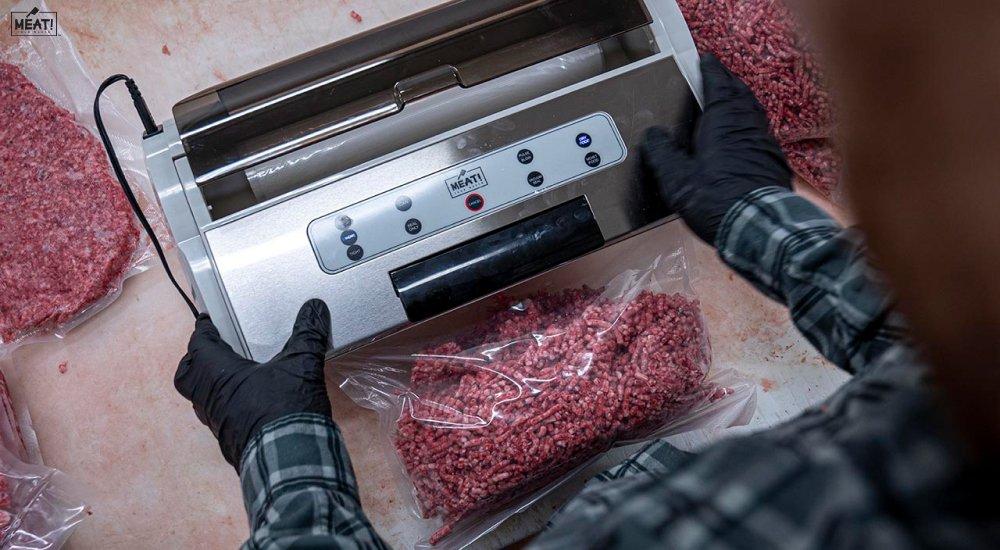
From preserving your fresh game meat after a successful hunt to savoring fresh fruits, knowing how to use a vacuum sealer effectively extends your food's shelf life, letting you enjoy it for months. If you’re new to using a vacuum sealer, our Experts share the basics steps on how to properly vacuum seal food so you can get the most of your investment.
The Benefits of Vacuum Sealing Food
People choose to vacuum seal food for a variety of different reasons. Here are the top three benefits to vacuum sealing:
1. Save Food: Prevent Spoiling & Freezer Burn
Vacuum sealing works by placing your food in an airtight bag and removing all the oxygen. This prevents common issues like freezer burn and bacterial growth, dramatically slowing spoilage. You can vacuum seal cooked or uncooked foods as well, depending on intended uses.
It is important to understand the correct length of time each food can be vacuum sealed and stored in the fridge or freezer as every item may be different.
2. Save Time with Meal Prep
Save yourself prep time and effort by having your ingredients and pre-cooked meals ready. Using a vacuum sealer machine allows you to pre-cook and seal foods for quick future use.
3. Save Money
Saving on the grocery bill is always a plus, and a vacuum sealer will save you money in the long run. By keeping foods fresh and ready for future use, you can confidently buy food in bulk or maximize leftovers.
Vacuum Sealing Step-by-Step Guide
Every vacuum sealer works a little differently, so it’s always a good idea to consult your owner’s manual for details on the settings and features specific to your machine. The steps below cover the basics to help you get started.
Step #1: Proper Food Preparation
Whether you’re prepping fresh vegetables, trimming bones off meat, or resizing large quantities of food, proper preparation is key to a successful seal. Here are two tips when prepping your food:
-
Mind Sharp Edges: For meat or fish, you'll want to trim away any sharp edges that could easily puncture the vacuum sealer bag.
-
Handle Moisture: Excess moisture is the enemy of a good seal. If you are sealing foods like soups and stews, pre-freeze them first until they're solid. If your food is slightly moist, like raw meat, it's best to pat dry with paper towels before sealing.
Step #2: Filling the Vacuum Sealer Bags
When filling your vacuum seal bags, try to size the contents so that the bag isn't overfilled, which risks the bag to pop. Leave at least 2 to 3 inches of empty space between the end of your food and the top edge of the bag. This empty space allows the vacuum sealer to properly pull a vacuum and create a strong, clean heat seal.
Expert Tip | You'll want to use high-quality vacuum sealer bags from brands like MEAT! Your Maker or LEM.
Step #3: Seal the Bag
With your food prepped and placed inside the vacuum seal bag, it's time to seal it tight.
-
Insert the Bag: Place the open end of the bag flat into the vacuum sealer's sealing channel or drip tray, making sure it is smooth and centered.
-
Lock and Start: Close the lid or engage the locking mechanism according to your model’s instructions. Most vacuum sealer machines will feature buttons to guide you. The machine will then automatically evacuate the oxygen and initiate the heat seal.
Step #4: Proper Food Storage & Labeling
Once your food is properly vacuum sealed and the air has been removed, it’s time for long-term storage. Always date and label your bags with the contents and the date you sealed them using a permanent marker. This is essential for safe food rotation and consumption. The general rule of thumb is to store vacuum-sealed foods where you would normally preserve them unsealed. Meats, fish, and most vegetables belong in the freezer for long-term storage. Nonperishable items can be returned to the pantry.
With a quality vacuum sealer and bags, you'll be able to easily food prep and have healthy meals readily available for your family. If you have additional questions about food preparation, stop into your local SCHEELS to speak with an Expert.