



How to Choose Hiking Boots
This article is part of the Hiking Boots 101 series.
Hiking at a state or national park is a perfect way to spend an hour, day, or even weekend, but this outdoor adventure can come to a screeching halt if you’re not wearing the right hiking boots. Understanding the purpose of hiking boots and what to look for when buying hiking boots are all important factors when choosing the right pair for you. If you’re new to hiking or need a refresher, our Footwear Experts break down all the basics of hiking boots.
What Are Hiking Boots?
Hiking boots are a type of hiking footwear that provides durability, support, and protection on rigorous terrain thanks to the construction and materials. There are several key parts of a hiking boot that work together to offer you a comfortable and enjoyable experience on a variety of trails.
Parts of a Hiking Boot
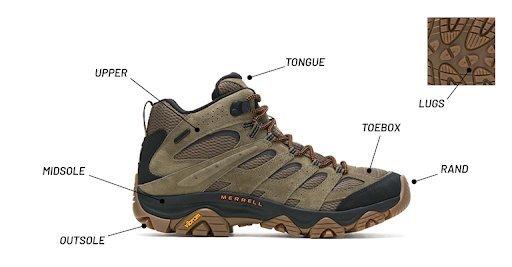
Having a clear understanding of the different parts of hiking boots is important to understand their function and what to look for in your next pair.
-
Outsole: This is the part of the hiking boot that comes in contact with the ground.
-
Lugs: Lugs are deep grooves and ridges in the outsole of the hiking boot. This pattern helps enhance the grip and traction the boot offers.
-
Insole: This can also be called the footbed. It provides additional support and cushioning and can be customized for specific foot needs.
-
Midsole: Located between the outsole and insole, the midsole provides cushioning and absorbs impact.
-
Upper: This is the material that’s above the sole of the boot.
-
Toe Box: This is the part of the boot that surrounds the toe and provides additional protection.
-
Rand: This is a strip of rubber that covers the area where the upper material and the sole meet. It provides greater protection against abrasions, especially around the toe box.
-
Tongue: This is the flap underneath the laces and covers the forefoot, preventing dirt, water, and debris from reaching the interior of the boot.
Types of Hiking Boots
There are two main types of hiking boots to consider when shopping for a new pair: traditional hiking boots and backpacking boots.
Traditional Hiking Boots
Traditional hiking boots are ideal for day hikes or short trips. Because of the materials, they are very flexible for comfort right out of the box. If you don't have time to break in your hiking boots properly, these are a great option. They do lack the support and durability that are required for longer, more rugged hikes.
Backpacking Boots
Backpacking boots are ideal for multi-day trips on rugged terrain. They feature a shank and specifically designed outsole for stability and grip on technical trails. Made with stiffer, more durable materials, backpacking boots will take time to break in before going on your adventure.
What to Look for in Hiking Boots
Once you've decided between traditional hiking boots or backpacking boots, it's time to consider the key features to look for. The specific features you need will depend on the environment and type of hiking you'll be doing. Consider the climate, terrain, and the length of your hikes when choosing the right pair of hiking boots.
Outsole Material
Made from high-traction rubber or specialized compounds like Vibram, the outsole provides grip and traction on uneven surfaces in both wet and dry conditions.
Lug Depth
Most hiking boots feature at least a 4mm lug depth to provide plenty of grip on uneven surfaces and shed debris easily. With deep lugs, you'll enjoy greater grip.
Upper Material
There are plenty of different options when it comes to the upper material found in hiking boots, each offers a slightly different function depending on your trail conditions.
-
Full-Grain Leather: Typically backpacking boots are made with full-grain leather as these provide the greatest level of support and protection, but they require proper break-in to avoid blisters and other possible injuries.
-
Nubuck Leather: This upper is made from top-grain leather that's been sanded for a more comfortable and shorter break-in period compared to full-grain.
-
Suede: This material provides greater flexibility and is lightweight, but isn't designed to last nearly as long as full-grain or nubuck leather uppers.
-
Synthetics: Nylon, polyester, or synthetic leathers are lightweight, durable, and quick-drying. Hiking boots with a synthetic upper could be a good choice for hot, dry climates. They are typically more affordable and don't require break-in time, yet they offer less protection and are not as durable.
Upper (Shaft) Height
You'll see varying heights of uppers on hiking boots—from mid to high-cut. Typically, backpacking boots offer a higher, over-the-ankle fit to provide protection and stability when taking on challenging terrain. The height of your hiking boots comes down to personal preference and the level of ankle support you want when taking on the trails.
Waterproof Protection
If you're hiking where the weather is unpredictable or in a wet climate, it's very important to choose a pair of hiking boots with waterproof protection. Look for a pair that features a waterproof membrane, such as GORE-TEX or similar technology, that provides waterproof yet breathable protection.
Midsole Material
-
EVA: Lightweight and soft, EVA is a common option when looking at hiking boots. There are various densities offering different levels of support and cushioning.
-
Polyurethane: Another midsole material is polyurethane, which provides firmer cushioning, support, and longevity compared to EVA. This midsole material is perfect for harsh environments and long treks.
Insulation
If you are hiking in the winter, choosing a pair of insulated hiking boots is recommended. Synthetic insulation dries quickly and provides more warmth than wearing a second pair of socks.
Lacing Systems
Depending on your preference, you'll find bungee (quick-lace) or standard-laced hiking boots. Both help keep your feet stable and secure.
Do I Need Hiking Boots?
Wearing the proper hiking footwear when on the trails is important, but there are more options than hiking boots—you'll find trail runners, hiking shoes, and even hiking sandals.
Below are a few ideas to consider to help you narrow down if you need hiking boots or another type of hiking footwear.
Consider Hiking Boots If...
-
You need ankle stability
-
You plan on carrying a moderate to heavy pack
-
You’ll be hiking for long distances or multiple days
-
You’ll be hiking on rough, uneven terrain in wet or muddy conditions
Choosing the right hiking boots is an important decision that can make or break your outdoor adventures, but also making sure they fit properly, wearing the right hiking socks, and taking the time to break them in is just as important. If you have additional questions, stop into your local SCHEELS to speak with a Footwear Expert.