



How to Choose a Sleeping Pad
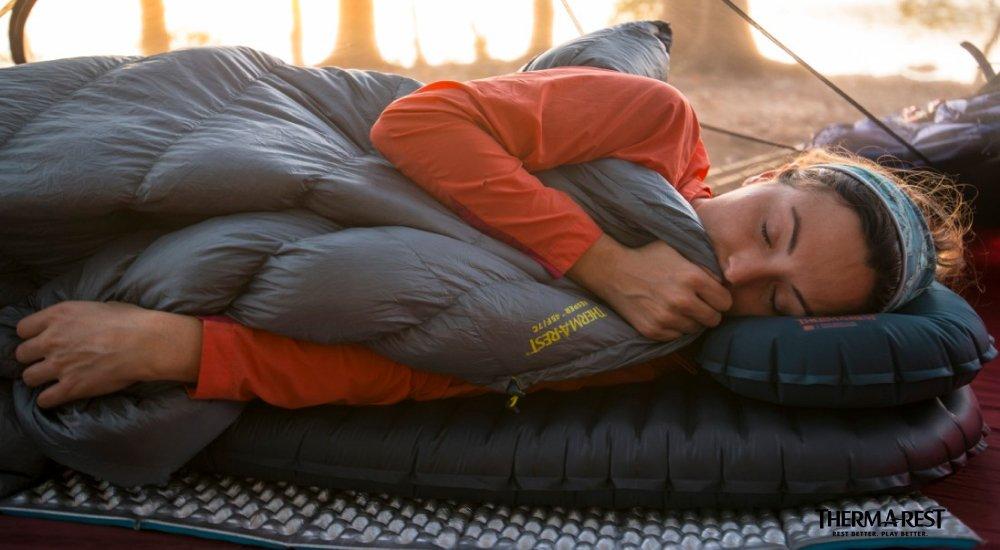
One of the most important parts of camping is making sure you have somewhere comfortable to lie down at the end of the day. Building your sleep system includes choosing a sleeping pad and sleeping bag. Your sleep system should provide plenty of cushioning and warmth. Our SCHEELS Experts recommend considering the size, weight, insulation, and cushioning. The size of the sleeping pad is important as you want it to fit into your tent and fit your whole body. Weight is also important if you are carrying it in your pack during long hikes. Insulation is key for keeping you warm, and you'll want to choose the best insulation for the climate you're camping in. Finally, cushioning is important for getting a good night's rest. Consider the thickness of the pad to make sure it meets your needs.
Choose a Type of Sleeping Pad
The first step in choosing a sleeping pad is deciding which type of sleeping pad you are looking for. There are three main types of sleeping pads: foam, self-inflating, and air pads. Here’s a quick overview of the differences between the three types:
Air Pads:
Air pads are inflated using an air pump or by mouth. They are the most comfortable option and the easiest to inflate and deflate. Air pads are the most expensive option but the lightest and most compact. Something to remember is that air pads can lose air during cold nights so it is important to check the level before you go to bed the next night.
Tip: To avoid moisture getting trapped inside from breathing, using a hand pump will help prevent moisture buildup, as will storing your pad unrolled with valve(s) open.
Self-Inflating Pads:
Self-inflating pads are insulated and require minimal effort to inflate. Opening the valve(s) allows the foam to expand and brings in the air automatically. They are more comfortable than foam pads but can be more expensive and heavier to carry.
Foam Pads:
Foam pads are lightweight, durable, and affordable. They are usually made of closed-cell foam, which provides insulation and cushioning but can be bulky and difficult to store when they are folded up. One of the biggest advantages of using a foam pad is that you don't need to worry about punctures or leaks.
What is Sleeping Pad R-Value?
The R-Value is used to measure a sleeping pad's insulation. It is an indication of how well the pad can keep the sleeper warm by trapping their body heat and preventing it from escaping into the ground. The higher the R-Value, the better the pad's ability to insulate and keep the sleeper warm. A pad with an R-Value of 3 or higher is recommended for cold-weather camping.
-
R1 = Summer Camping
-
R2 - R4 = Fall & Spring Camping
-
R5 = Winter Camping
-
R6 = Extreme Cold Camping
Additional Sleeping Pad Factors for Consideration
Once you’ve narrowed down the type of sleeping pad you're looking for, it’s time to consider a few other factors that will determine which sleeping pad is the best fit for your needs.
Insulation: It's important to choose a sleeping pad that provides adequate insulation for your specific needs. Consider the weather conditions, terrain type, and overall duration of your adventure.
Cushioning: A sleeping pad should provide enough support and cushion to ensure a good night's sleep. Pay attention to the thickness and firmness of the pad.
Weight & Size: If you’re a lightweight backpacker, you'll want to look for a pad that is lightweight and easy to pack. Larger pads tend to be more comfortable, but they can be heavier and less portable.
Durability & Environmentally-Friendly Materials: Sleeping pads should be designed with materials that can withstand anything the elements throw at them. Also, it’s important that the materials don't damage the environment.
Consider Sleeping Pad Accessories
Patch kits: In case you get a hole in your sleeping pad or mattress, it is important that you have the ability to patch that hole.
Hand pumps: To save time and energy, having a hand pump with you is a great idea if you are using an air pad!
Choosing the right sleeping pad can be a daunting task, but it doesn’t have to be. By considering the type of pad, insulation, cushioning, weight and size, and durability you’ll be able to find the sleeping pad that’s best suited for you. So don’t wait – get out there and start your journey! If you have any other questions about how to choose a sleeping pad, stop into your local SCHEELS!