



How Should Hiking Boots Fit?
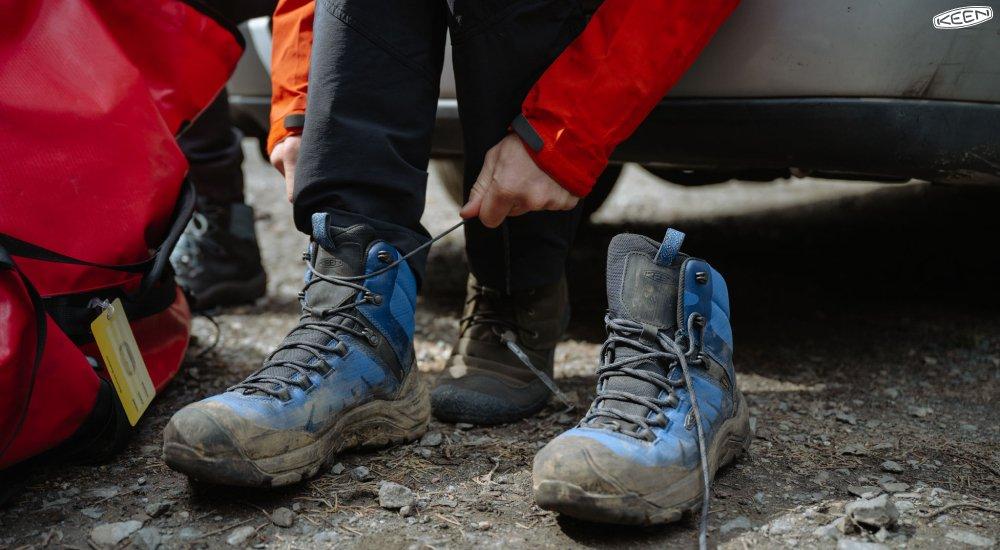
This article is part of the Hiking Boots 101 series.
Nothing will ruin a hike faster than blisters and foot pain from ill-fitting hiking boots. Whether you're backpacking or on casual trails, hiking boots are essential for traction, support, and protection when taking on rough terrain in various conditions. To help you stay comfortable on the trails, our Footwear Experts are here to guide you through how your new hiking boots should fit.
Expert Tip | For the best fit, try on your hiking boots at the end of the day when your feet are a bit swollen, and wear the hiking socks and insoles you plan to use while on the trail.
Finding the Right Size of Hiking Boots
We recommend having one of our Footwear Experts measure your feet using the Aetrex foot scanning device. This will provide plenty of data such as length, width, arch, and more. If you're shopping online, it's a good idea to check the size chart on the product page for additional help on brand fit and sizing tips, or start with a brand you've worn before and are familiar with the fit.
Tight or Loose—Which is Best for Hiking Boots?
Consider how the width of the hiking boot feels while wearing the hiking socks and insoles you plan to wear during your hike. If you base the fit of your new boots without including these variables, you'll end up with pain and sore feet.
-
The toe box should fit snugly around your foot and you should be able to move your toes. You should not feel any pinching in the forefoot. If you do, you may need to look at a wider hiking boot.
-
If you're choosing a pair of hiking boots with ankle support, properly lacing your boots will help keep you comfortable throughout the hike.
Expert Tip | Pay special attention to the upper material too—Is it made of leather or synthetics (polyester or nylon)? Leather hiking boots will fit tighter and mold to your feet with extended wear compared to synthetic hiking boots.
Test the Length of the Hiking Boots
Next, make sure the hiking boots are long enough—too small of hiking boots will lead to toenail issues while too big hiking boots will lead to blisters.
-
You'll want a thumb's width space between your toes and the front of the boots.
-
Transfer your weight to the front of your foot (simulating walking downhill). There should be about an index finger gap between your heel and the back of the shoe.
If your hiking boots pass these fit tests, you still need to spend the proper amount of time breaking them in! Skipping this important step will leave you uncomfortable during your adventure. For additional help in finding the best hiking boots, stop into your local SCHEELS to speak with a Footwear Expert!