



Hiking Shoes vs. Boots vs. Trail Runners: What's the Difference?
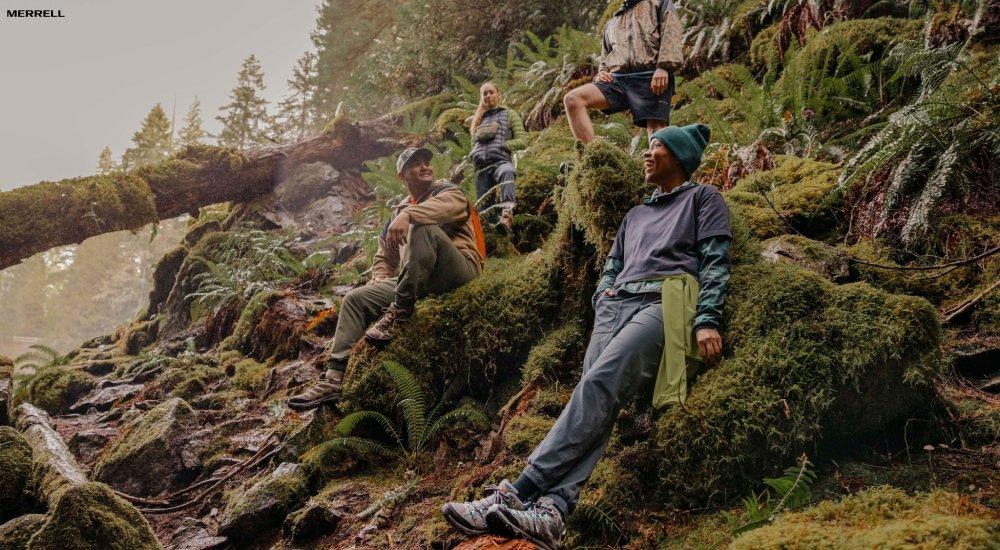
From the great plains of North Dakota to the mountainous terrain of Montana, you can find national and state parks that are great for hiking. To enjoy your trail adventures even more, it's important to wear hiking footwear that matches the terrain and climate you're in as well as the type of hiking you plan on doing. There are three main types of hiking footwear: hiking boots, hiking shoes, and trail runners. Our Footwear Experts highlight the benefits each offers and what it's best suited for so you're able to find the right one for your next adventure.
Hiking Boots: Stability & Support
Hiking boots are the go-to choice for those taking on challenging terrain, carrying heavy loads, or hiking in unpredictable climates. Built with mid to high-cut uppers, hiking boots offer sturdy ankle support to reduce the chance of injuries when navigating uneven terrain. Plus, many hiking boots feature a waterproof, breathable membrane to keep feet dry and comfortable in unpredictable weather and trail conditions.
Highlights of Hiking Boots
-
Highest level of ankle support
-
Often waterproof
-
Stability shank to provide even footing
-
Durable upper for better trail protection
-
Aggressive lugged outsole for grip and traction
-
Requires plenty of break-in time before hiking
Consider Hiking Boots If:
-
You need ankle stability
-
You are carrying a heavy load
-
You hike for long distances or multiple days
-
You're hiking a technical trail with rocky terrain and other hazards
Related Expert Advice:
Hiking Shoes: Lightweight & Versatile
Hiking shoes are a great middle-ground option for hikers who are looking for stability but don’t need the full protection of a hiking boot. Featuring a low-cut upper, hiking shoes are lighter and more flexible compared to hiking boots. Designed with lugged outsoles and plenty of cushioning, hiking shoes provide reliable grip, traction, and comfort, making them great for warmer conditions and maintained trails.
Highlights of Hiking Shoes
-
Lightweight and plenty of ankle mobility
-
Can be waterproof
-
Moderate protection for a range of trail terrain
-
Lugged outsole for grip and traction on a variety of terrain
Consider Hiking Shoes If:
-
You enjoy day hikes
-
You want greater ankle mobility
-
You want a more breathable, lightweight feel
-
You want versatility for a range of outdoor activities
Related Expert Advice:
Trail Running Shoes: Speed & Agility
Trail runners are a hybrid between a running shoe and a hiking shoe—lightweight and comfortable with a rugged outsole. Many runners who enjoy running on uneven trail terrain prefer to wear trail runners because they feature a high traction outsole yet maintain breathability. The lugs on trail running shoes are built to grip a variety of terrains. It is important to note that trail runners are not ideal for extended hikes on technical terrain because of their low ankle support.
Highlights of Trail Running Shoes
-
Highly breathable uppers
-
Not typically waterproof, but dry more quickly than boots or shoes
-
Responsive cushioning to propel you forward
-
Streamlined construction for ultra-lightweight feel
Consider Trail Running Shoes If:
-
You trail run
-
You hike in hot, dry conditions
-
You prioritize speed and breathability
Related Expert Advice:
Choosing the right type of hiking footwear comes down to the terrain, weather and trail conditions, and your personal preferences. With a range of different options including hiking boots that provide the highest level of support and traction to trail running shoes which are designed for speed and breathability, you’ll be able to narrow down which type is best for you. If you have additional questions about choosing the right pair of hiking footwear or preparing for your upcoming trail adventure, stop into your local SCHEELS to speak with an Expert.