



10 Essentials for Hiking
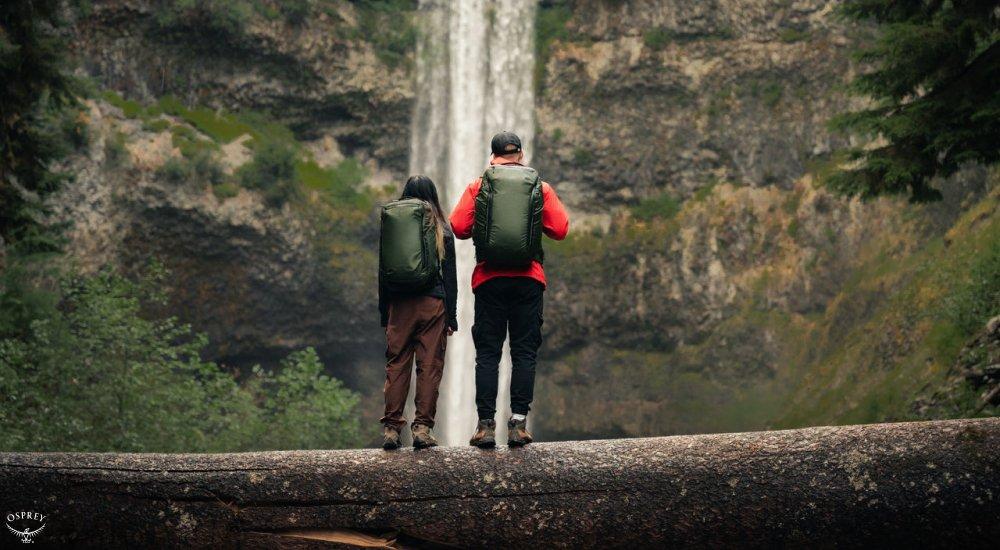
Whether you’re heading out for a short trail walk or planning a multi-day trek in a national park, having the right gear is key to staying safe and comfortable. From first-time hikers to seasoned explorers, our Camp & Hike Experts have put together the ten essential items every hiker should carry. Use this checklist to feel confident and prepared on every trail.
1. Hiking Footwear
Before hitting the trail, make sure you’re wearing the right hiking footwear for your environment. For cold, wet conditions, waterproof hiking boots offer better support and protection. In warmer, dry climates, lightweight hiking shoes or sandals provide breathable comfort and traction.
2. Sun Protection
Sun protection is a must for any hike. Always pack sunglasses, sunscreen, and a hat to protect your skin and eyes from harmful UV rays. For added coverage, consider wearing clothing with built-in UPF protection.
3. Navigation
Even on well-marked trails, it’s important to carry a reliable form of navigation. A traditional map and compass work in any conditions, while a handheld GPS device or smartphone with offline maps adds extra convenience. No matter how familiar the trail, always bring a backup in case you lose your way.
4. Water
Staying hydrated is one of the most important parts of any hike. Always carry water in a durable, trail-ready bottle or hydration pack, and make a habit of sipping regularly—even if you’re not feeling thirsty. Our Hiking Experts recommend choosing a lightweight container with enough capacity to last the length of your hike.

WHY OUR EXPERTS LOVE THE Osprey Hydraulics LT Reservoir
“This Osprey hydration reservoir has been a game changer for me when hiking and backpacking; instead of stopping to fumble with a water bottle, I can hydrate while on the go! It fits perfectly in my 8-liter daypack, never leaks, and is easy to refill. I like this 1.5L size for versatile use, but the 2.5L version is also great for longer trips.”
5. Food
Hiking uses up a lot of energy, so it’s important to pack enough food to fuel your adventure. For short hikes, grab-and-go snacks like nutrition bars, trail mix, or energy gels are perfect for quick refueling. On longer treks, lightweight dehydrated meals are a smart choice to keep you energized without weighing down your pack.
6. Layers & Rain Gear
Weather can change quickly on the trail, so packing extra layers is key to staying safe and comfortable. Start with a breathable base layer, then add rain gear like a waterproof jacket and pants. For colder hikes, bring an insulated layer like a down jacket to retain warmth. Building a layering system helps you adjust as temperatures shift throughout your hike.
Need more help from our Experts? Check out our advice on what to wear hiking.
7. Multi-Tool/Knife
A multi-tool is one of the most versatile items you can pack. From cutting rope and opening food packages to handling minor gear repairs, it’s a compact solution for unexpected challenges on the trail. Our Experts recommend a Swiss Army-style multi-tool for its lightweight design and variety of built-in functions.
8. First-Aid
From minor scrapes to unexpected injuries, having a first-aid kit on hand is essential for trail safety. A compact kit stocked with bandages, antiseptic wipes, pain relievers, and blister treatments can help you manage common hiking mishaps until you get back to safety.
9. Safety Items (Fire, Light & Whistle)
Being prepared for the unexpected is a key part of safe hiking. Always carry a reliable headlamp or flashlight (with extra batteries), a fire-starting tool like waterproof matches or a lighter, and a whistle for signaling in an emergency. These small items can make a big difference if you’re caught out after dark or need help.
10. Shelter
For overnight hikes or multi-day trips, reliable shelter is essential. A lightweight yet durable tent protects you from the elements and helps you rest comfortably after a long day on the trail. Even if you’re just planning a short overnight stay, packing the right shelter can make all the difference for safety and comfort.
Leave No Trace: Protecting the Trails
While the ten essentials are important to having a successful hike, another way to ensure a successful hike for yourself and others is to be mindful of Leave No Trace. Leave No Trace is a hiking and camping principle that focuses on reducing the damage that can result from hikers or campers. The principles help hikers and campers respect each other and the land.
The program follows seven basic principles:
-
Plan ahead and prepare
-
Travel and camp on durable surfaces
-
Dispose of waste properly
-
Leave what you find
-
Minimize campfire impacts
-
Respect wildlife
-
Be considerate of other visitors
By following these guidelines alongside carrying your ten hiking essentials, you’ll be ready to hit the trails confidently and responsibly. If you have additional questions on how to prepare for an upcoming hike, contact an Expert at your local SCHEELS.
About our Experts
Kayla grew up hiking in northern Minnesota, and it quickly became one of her favorite hobbies. She’s since become passionate about sharing this love for the outdoors with others—after spending a summer leading backpacking trips through the Rockies in western Montana, she now enjoys sharing her outdoor expertise through writing for SCHEELS.com.